Why eat Welsh Lamb?
Know your Welsh Lamb cuts
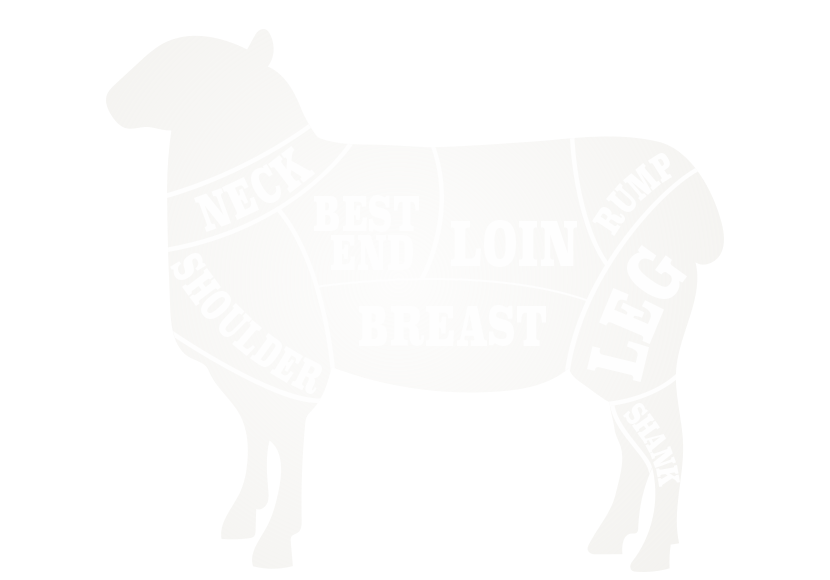
Click on a cut of meat to find out more and view recipes.

Frequently Asked Questions
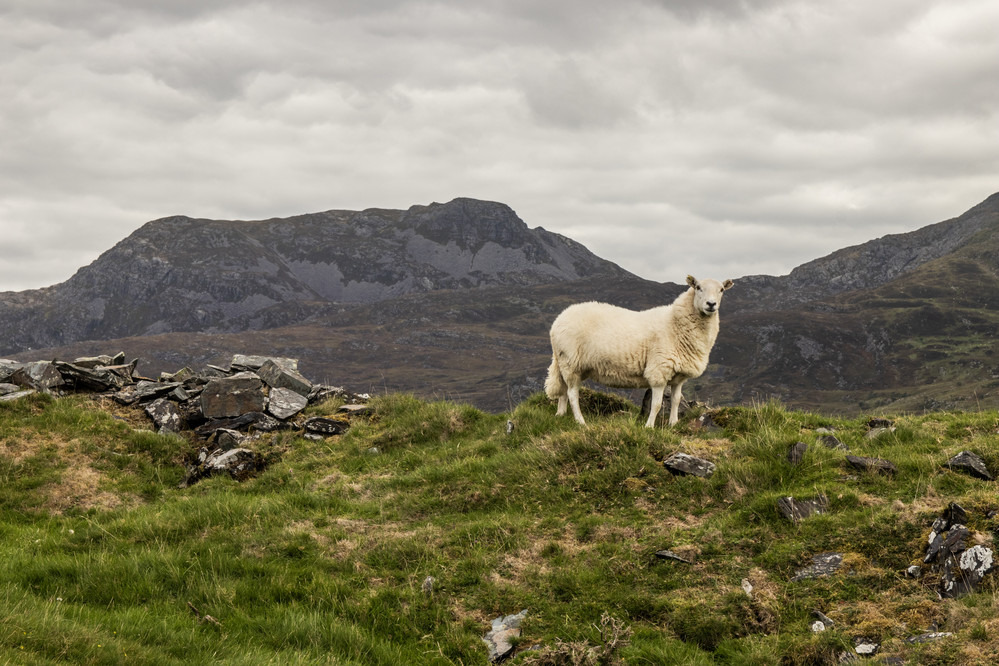
Farmers in Wales use traditional farming methods and make the most of Wales’ rich landscape and natural environment to create PGI Welsh Lamb.
Each lamb grows in a unique environment: Wales is known for its clean air, heavy rainfall and lush pastureland, resulting in exceptional flavour and tenderness. Welsh farmers are dedicated to rearing lambs with care and centuries-worth of knowledge passed down from generation to generation – essentially, you’re buying quality without compromise.
Welsh Lamb also holds Protected Geographical Indication (PGI) status. PGI certification means only lambs genuinely born and reared in Wales can be labelled ‘PGI Welsh Lamb’. Products such as Champagne, Parma Ham and Parmigiano Reggiano hold similar geographical indication status across the continent. This guarantee of origin and traceability ensures you’re getting the real deal which is renowned around the world.
Welsh Lamb’s superior taste and high nutritional value (rich in protein, iron, Omega-3, and more) make it worth the price for many food lovers. It’s a tender, flavourful meat that consistently earns praise from chefs and foodies alike.
Prime cuts of meat can offer excellent value for money when you consider the overall eating experience and how they can be used in different dishes and recipes. Also, there are a range of lamb cuts available for different budgets. Whether it’s a whole leg joint for a special Sunday dinner, leg steaks for a quick, delicious supper or neck fillets for classic cawl, when you choose Welsh Lamb you can be sure that the quality is never compromised.
In short, Welsh Lamb is premium because it’s an artisanal meat. You’re paying for centuries of expertise, verified authenticity, and a level of quality that mass-produced lamb can’t match.
Welsh Lamb is known for its versatility – no matter which cut you choose, you can be confident it will be high-quality and delicious. Here are some of the best cuts of Welsh Lamb and how to enjoy them:
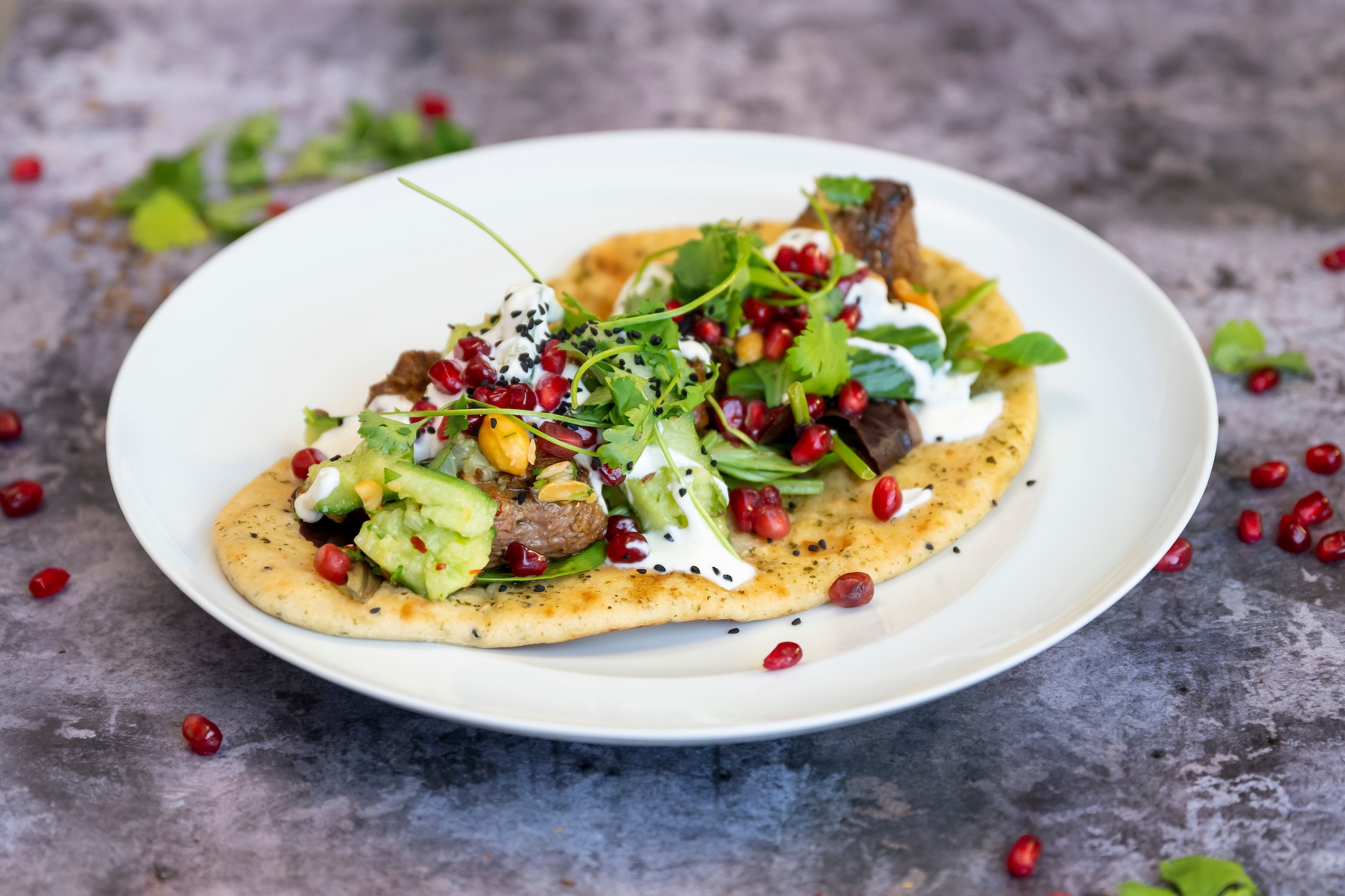
- Leg of Lamb – The leg is the quintessential roasting joint for Welsh Lamb. It’s lean yet tender and full of flavour. A whole leg (bone-in or boned and rolled) makes a show-stopping Sunday roast, yielding meat that’s rosy and juicy when cooked medium. You can also have the leg cut into leg steaks, strips or diced for stir-fries and curries, since this cut is versatile. Roast leg of Welsh Lamb with rosemary and garlic is a classic for a reason – it’s simply hard to beat.
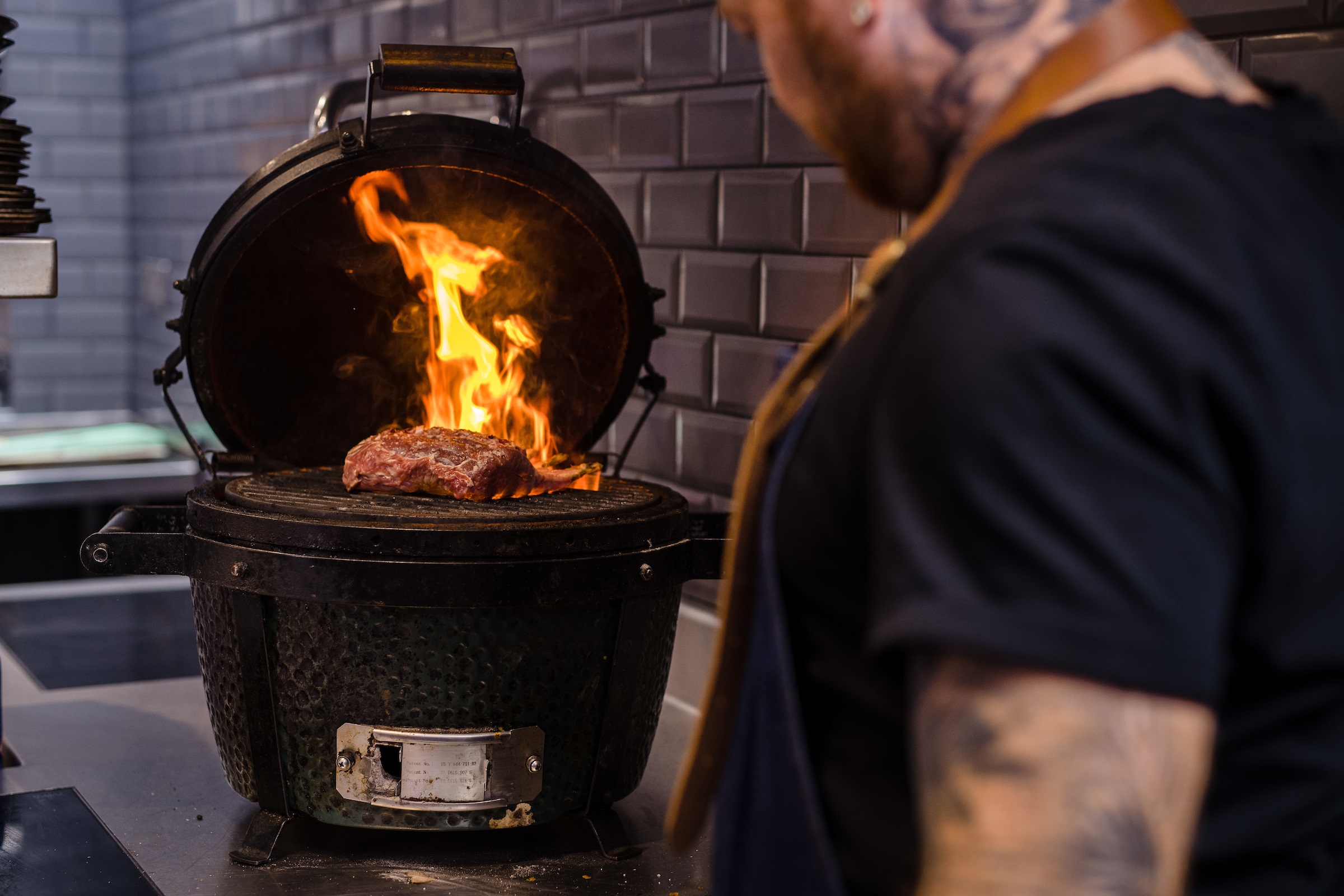
- Rack of Lamb (Best End) – A rack is a premium cut made up of six to eight rib chops. It’s an elegant choice that showcases the tenderness of Welsh Lamb. You can roast a whole rack of lamb (often served as French-trimmed with the bones exposed for presentation) – the exterior gets nicely browned while the inner meat stays succulent and pink. Often the rack is cut into individual cutlets, which are excellent for pan-frying or grilling quickly. Welsh Lamb cutlets are incredibly tender and make for an impressive but easy meal – just sear and serve them blushing pink. (Fun fact: Two French trimmed racks positioned together with the ribs interlinked fat-side out form a ‘guard of honour’, a traditional presentation for special occasions.)
- Loin Chops or Saddle – The loin is another tender section. It’s usually divided into loin chops (sometimes called double loin chops or Barnsley chops when two are joined) and the chump end (rump). Welsh Lamb loin chops are small T-bone steaks that are perfect for grilling or pan-frying – they cook in minutes and have a nice balance of lean meat and a little sweet fat for flavour. You can season them simply with salt, pepper, and maybe a bit of fresh mint or thyme. The whole loin can also be boned out and rolled to make a roasting joint or sliced into noisettes (medallions) for an elegant pan-seared dish. In any form, loin meat is prized for its tenderness.
- Shoulder of Lamb – The shoulder is a more marbled, slightly fattier cut that stands up to slow cooking. It’s often considered one of the most flavourful cuts of lamb. A whole shoulder can be roasted on the bone; cook it low and slow and the meat literally falls apart, melting in your mouth. Shoulder is fantastic for pulled lamb recipes, hearty stews, or curries. You can also find diced shoulder for kebabs and casseroles, or shoulder chops/steaks which are great for braising. Because Welsh Lamb is reared naturally, even these economical cuts have a superb depth of flavour. For a rustic treat, try a slow-roasted Welsh Lamb shoulder with root vegetables – it’s comfort food at its finest.
- Lamb Shank – Shanks come from the lower part of the leg. They are tough cuts full of collagen, which turn incredibly tender when cooked long and slow. Braising Welsh Lamb shanks (for example, in red wine with herbs) yields a rich, silky meat that slips off the bone. It’s a warming, hearty cut perfect for cooler months. Many Welsh Lamb fans consider shanks a favourite for dishes like lamb cawl (traditional Welsh stew) or simply braised and served on mashed potatoes. The shank showcases how even the less-expensive cuts of Welsh Lamb can shine with the right cooking method.
These are just a few of the top cuts – others include the rump (chump), which can be grilled or roasted as smaller steaks, and the neck fillet, which is great diced in curries or slow-cooked dishes. The beauty of Welsh Lamb is that every cut comes from the same high-quality animal, raised on the Welsh hills. So, the ‘best’ cut really depends on your recipe and preference. If you want a quick-cooking, tender piece, go for chops, leg steak or rack. For a slow-cooked feast, choose shoulder, shanks or even boned and rolled breast. In every case, you’ll be rewarded with the distinctive sweetness and succulence that Welsh Lamb is famous for.
Tip: Whatever cut you use, be careful not to overcook it – Welsh Lamb is at its juiciest and most tender when not cooked to extremes. Medium or medium-rare for roasting cuts, and until fork-tender for braising cuts, is ideal).
PGI Welsh Lamb is widely available through many outlets – the key is to look for the PGI label to make sure it’s authentic Welsh Lamb. Here are some great ways to find it:
- Local Butchers: One of the best places to buy Welsh Lamb is your local butcher shop. Many butchers proudly stock PGI Welsh Lamb and can even cut it to your requirements. In fact, there’s a dedicated Butcher’s Club of shops known for selling Welsh Lamb. Buying from a butcher often means you can get expert cooking advice and choose the exact cut and size you need. Just ask if they carry Welsh Lamb – the PGI status is a point of pride, so they’ll be happy to tell you. As a bonus, your purchase supports local businesses and farmers.
- Supermarkets: In the UK, major supermarket chains frequently stock Welsh Lamb in season. Look for the PGI label on packs in the meat aisle – it might be branded as ‘Welsh Lamb’ alongside the PGI stamp. Welsh Lamb can often be found in Sainsbury’s, Waitrose, Marks & Spencer and Asda stores across the UK and it should be available in all supermarkets in Wales (depending on stocking availability). Keep an eye out for the Welsh Lamb logos!
- Farm Shops and Markets: If you’re in or near Wales (or the border counties), farm shops and farmers’ markets are fantastic for sourcing Welsh Lamb. Many Welsh farms sell lamb boxes or specific cuts directly to the public, especially in late summer and autumn when lamb is in peak supply. Visiting a farm shop gives you a chance to know exactly where your meat comes from – often the same farm or cooperative that raised it. You might even discover rare specialty products like salt-marsh lamb from Wales’ coastal farms. These outlets carry the PGI certification as well, and you can be confident about provenance. Plus, you’ll likely get to chat with knowledgeable staff (sometimes the farmers themselves) about cooking tips or recipe ideas.
- Online Retailers: In today’s world you can even order Welsh Lamb from the comfort of home. Several reputable online butchers and farm networks offer PGI Welsh Lamb for delivery nationwide. For instance, some award-winning Welsh butcher shops (like those based in Wales) take orders through their websites and ship chilled lamb cuts by mail. There are also meat delivery services that source from Welsh farms. This is a convenient option if your local stores don’t stock Welsh Lamb, or if you’re looking for a specific cut (e.g. a whole lamb shoulder or a French-trimmed rack) that can be hard to find. Just ensure the website explicitly mentions PGI Welsh Lamb. The package will usually arrive nicely insulated and chilled. It’s a great way to get farm-fresh Welsh Lamb to your door – and often, you can buy in bulk or larger portions for the freezer.
No matter where you choose to buy, always check for the ‘PGI Welsh Lamb’ designation on labels. That is your guarantee of authenticity and quality. If you’re outside the UK, Welsh Lamb is exported to many countries in Europe and beyond – you might find it at specialist retailers or high-end supermarkets, especially in season. The PGI logo and the words ‘Welsh Lamb’ will help you identify it abroad as well.